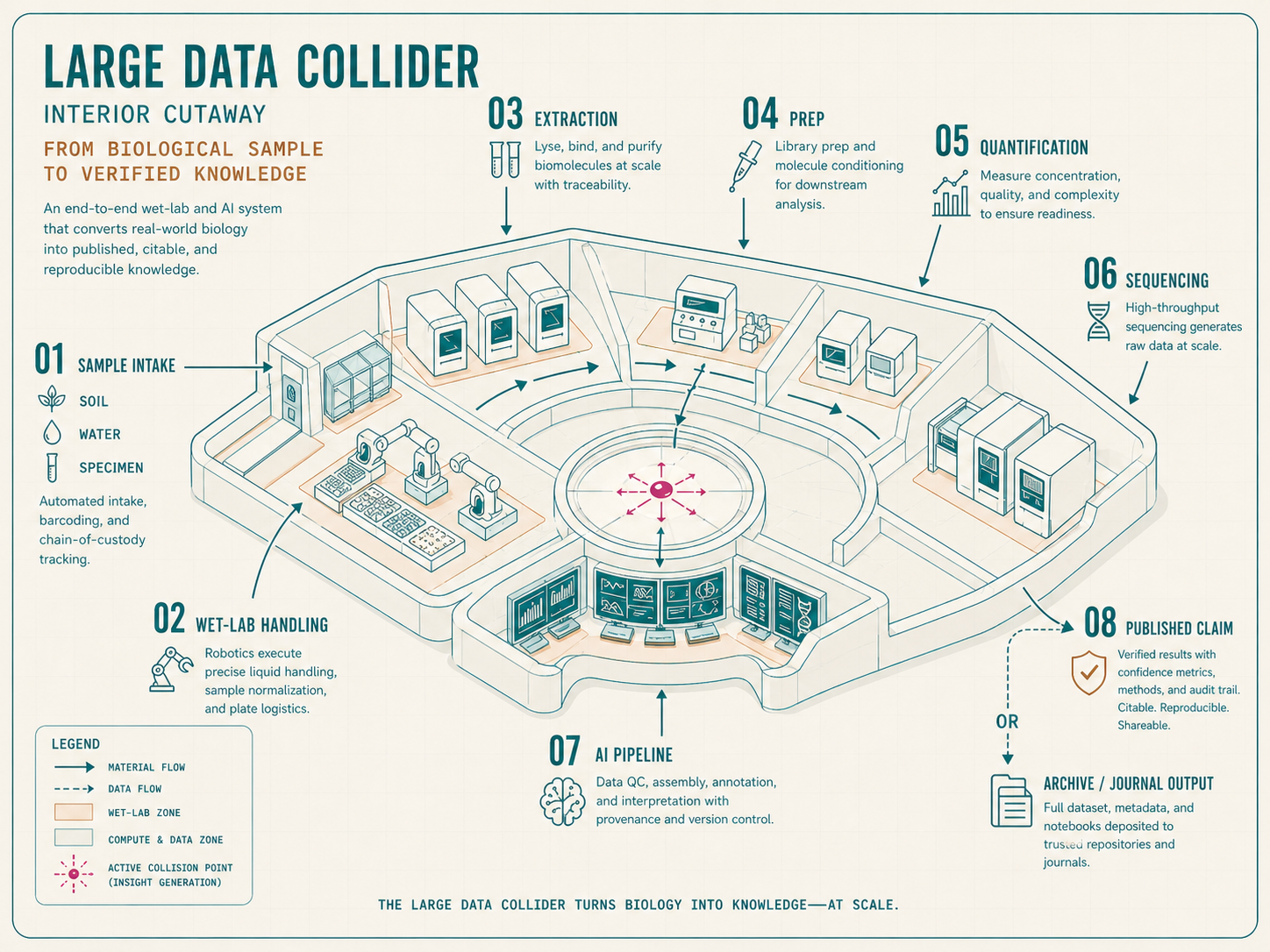
The BioKEA Large Data Collider (LDC) is a combined wet-lab + compute platform in Berkeley,
California — and the backbone of our molecular sequencing service for environmental DNA (eDNA)
and related customers. Space secured in late 2025; move-in ; operating alongside partner institutions.
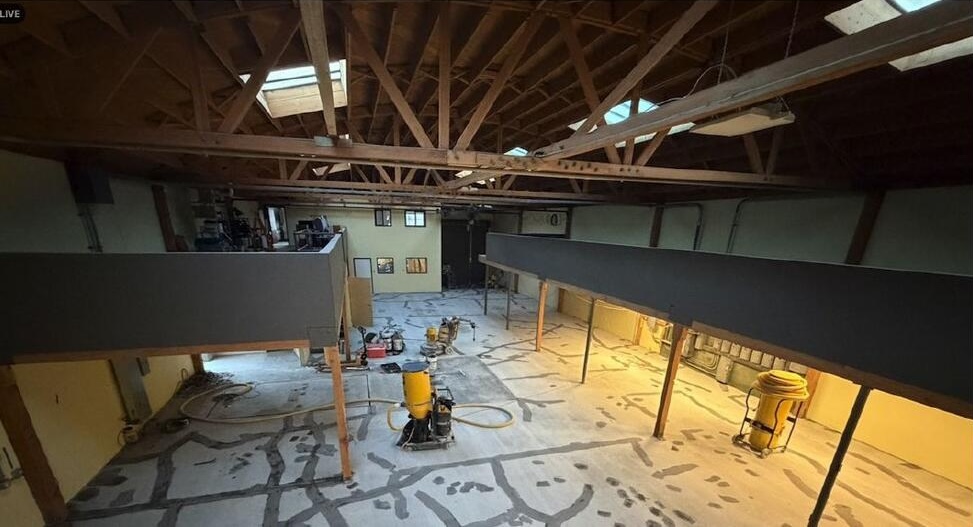
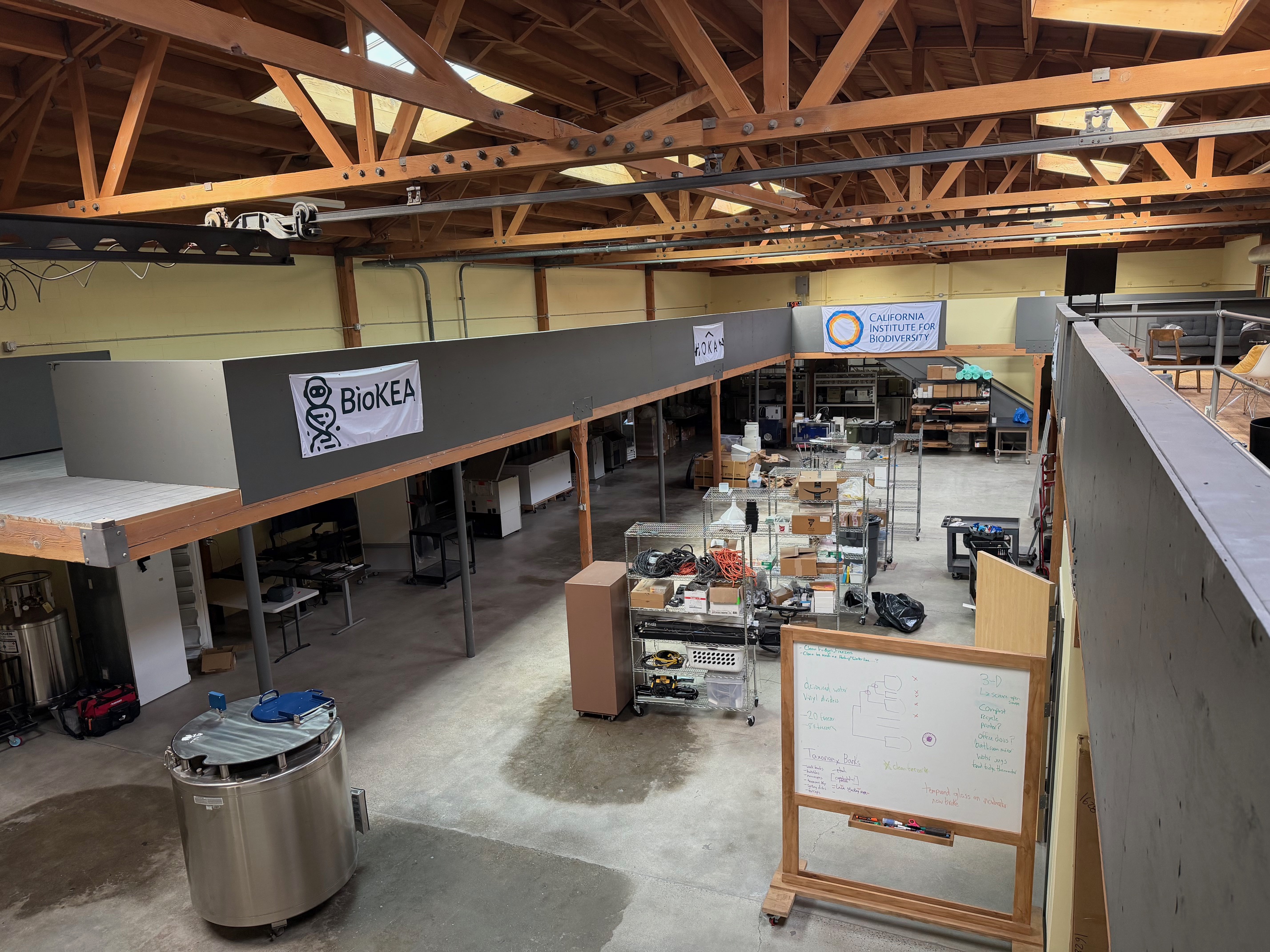
BEFORE BUILDOUT
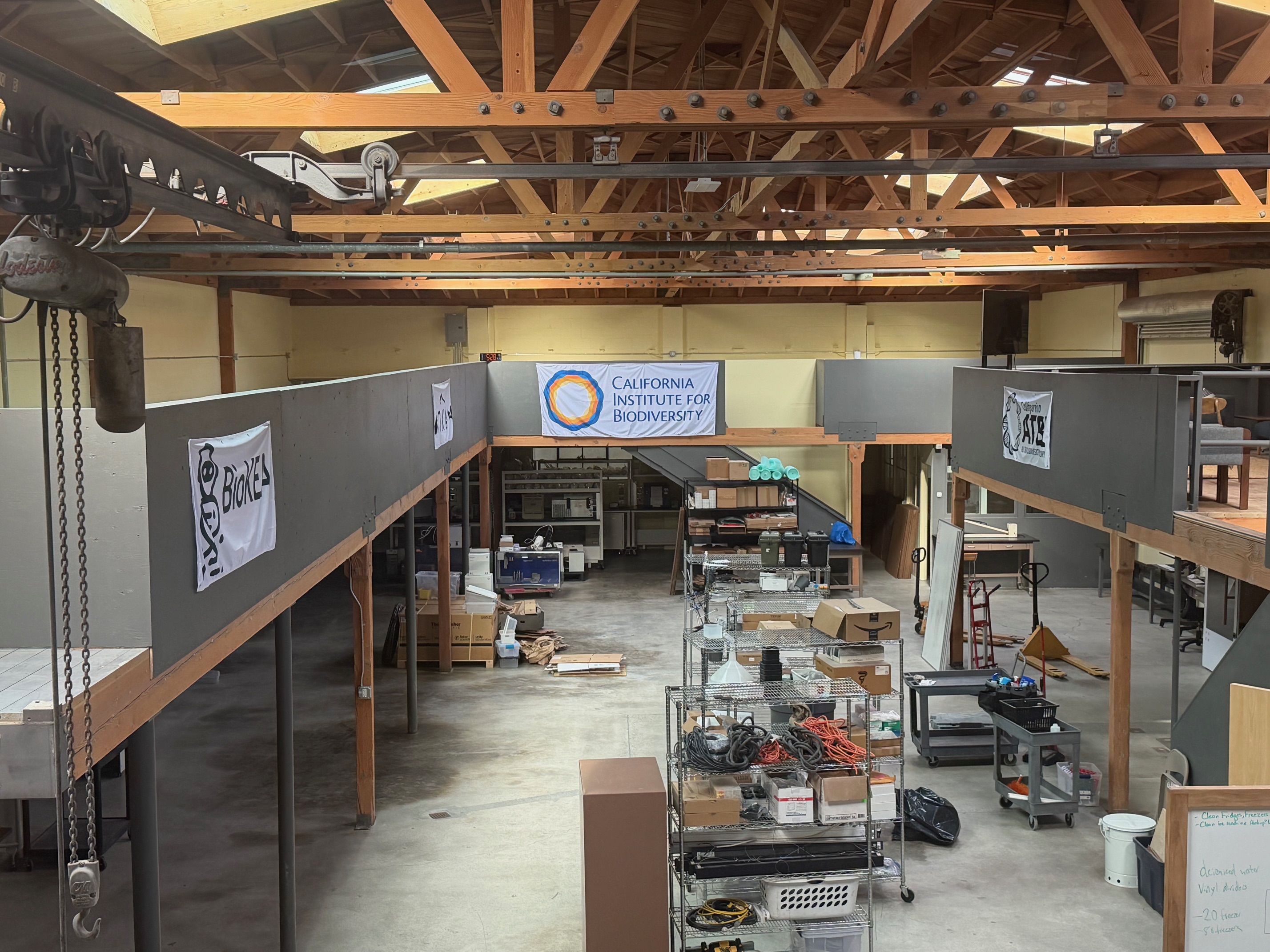
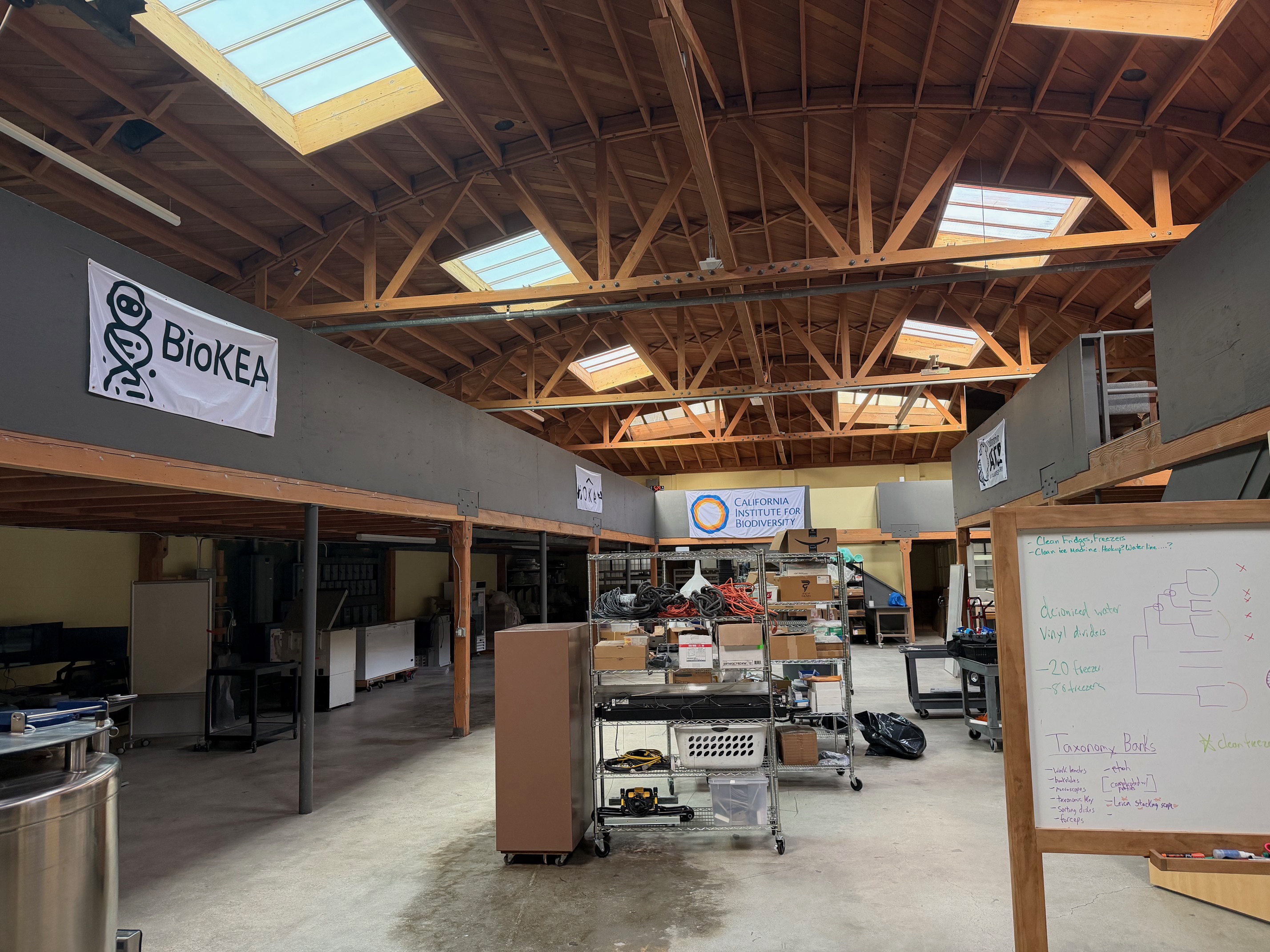
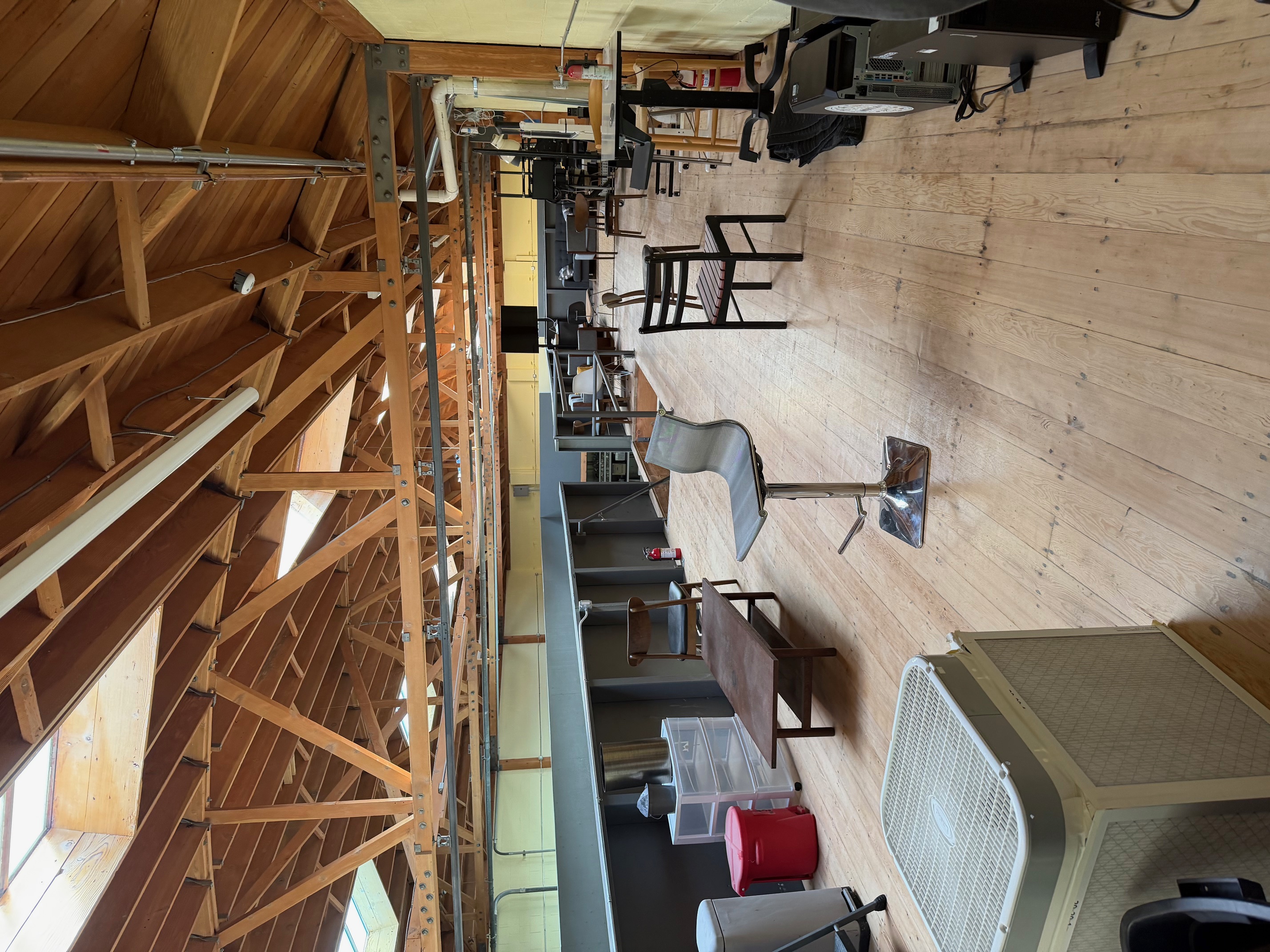
OPERATIONAL
Wet-lab floor — current state
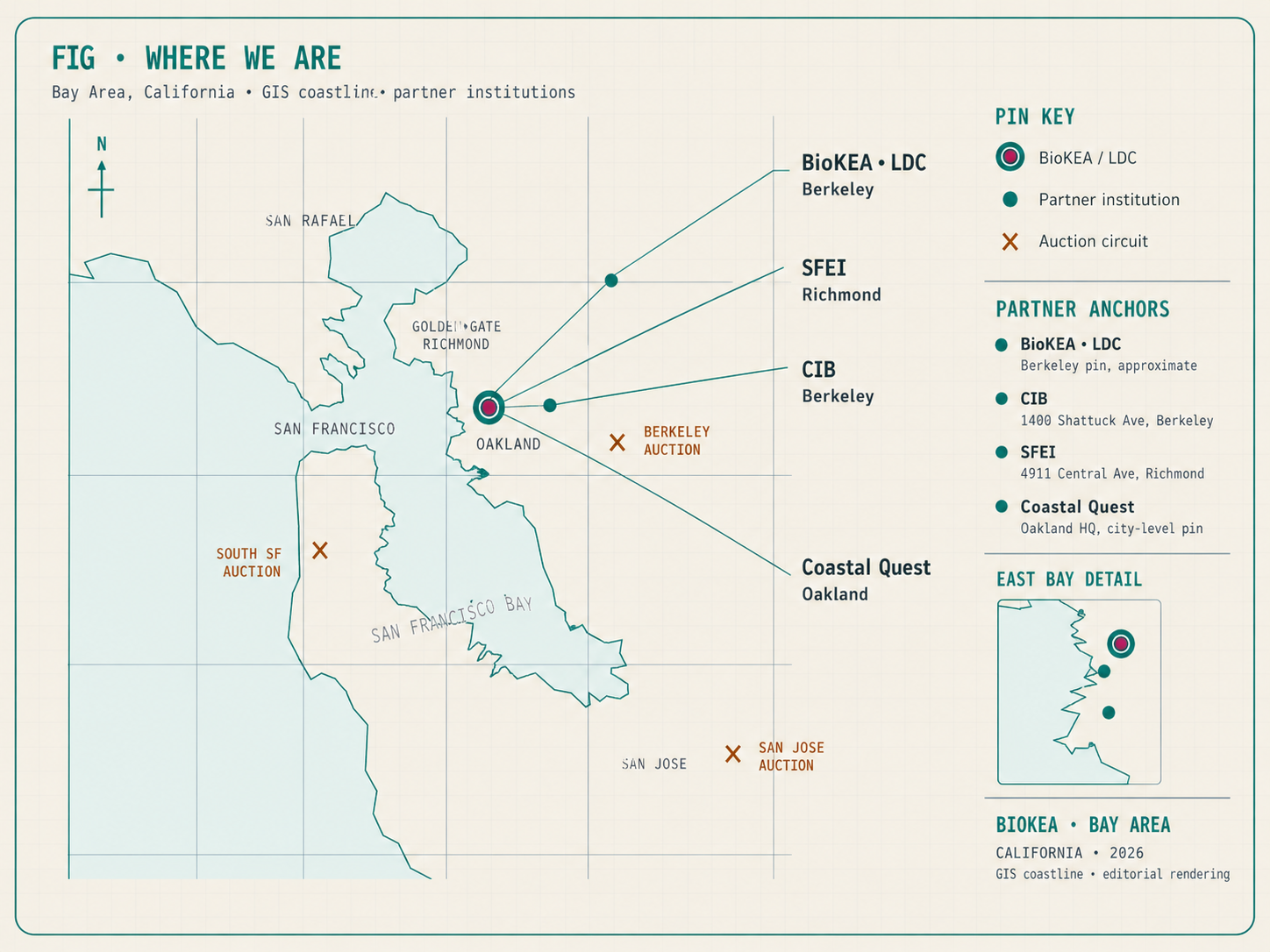
WHERE WE ARE · BAY AREA
Fig · Berkeley lab + partner institutions + the Bay Area biotech auction circuit
The LDC also runs as a molecular sequencing service for environmental-DNA and biodiversity-omics
customers — DNA barcoding, eDNA, qPCR, and long-read genomics, project-rate engagements per scope.
See the services catalog →
OPERATIONAL · HARDWARE
A full extraction-to-sequencing pipeline, stage by stage.
Built across 2025–2026 through scrappy hustle at Bay Area biotech auctions — San Jose, San
Francisco, Berkeley — picking up near-new hardware at roughly one-tenth retail cost.
Positioned to run serious throughput on public-interest projects.
Current state
5,000+
sq ft · Berkeley
~80
instruments on site
4×
KingFisher fleet
2×
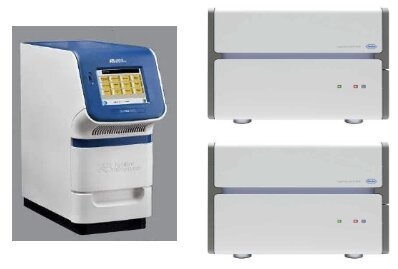
Roche qPCR (LightCycler 480 II)
Capability
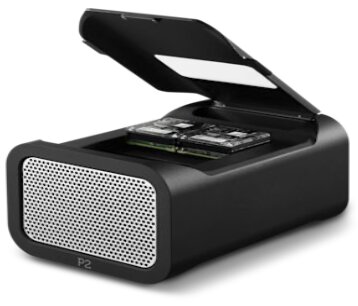
· Long-read nanopore sequencing across 2 flow cells on the ONT Promethion 2.
· Automated magnetic-bead extraction across four 96-well KingFisher platforms running in parallel.
· Real-time quantification on 384-well LightCycler 480 II blocks.
01 · Field to plate
Extraction
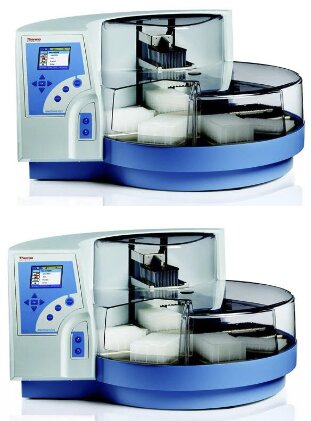
Thermo KingFisher Flex — 3-unit fleet
Magnetic-bead purification at 96-well scale, running in parallel. Paired with an Eppendorf epMotion 5075 liquid handler for end-to-end sample prep.
Also on bench
· Eppendorf epMotion 5075
· Qiagen QIAcube Connect
· Thermo KingFisher Presto (×2)
02 · Library prep
Prep & Amplification
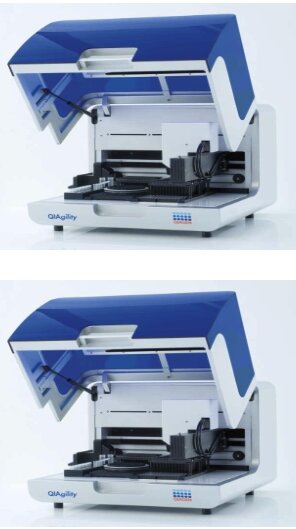
2× Qiagen QIAgility
Automated PCR prep with reproducible pipetting across 96- and 384-well plates. Backed by a stable of thermal cyclers for parallel amplification.
Also on bench
· Bio-Rad S1000 Thermal Cycler (×2)
· MJ Research PTC-200 and PTC-225 Tetrad
· Eppendorf Mastercycler Satellite X50i
· CyBio CyBi-SELMA 96 semi-automated pipettor
03 · Measure
Quantification
2× Roche LightCycler 480 II
Real-time PCR on a 384-well block, doubled up for high-throughput absolute quantification. Joined by an Applied Biosystems StepOne, capillary electrophoresis, and fluorometry.
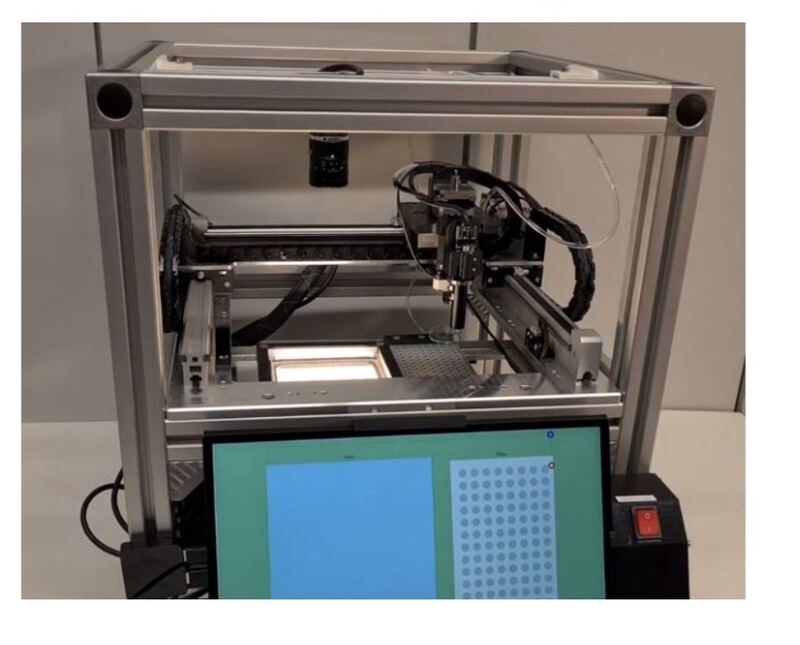
A collaborative imaging platform for high-throughput specimen screening. BioKEA is
adopting a unit as part of the California Institute for Biodiversity (CIB) collaborative
expansion — arriving on site in .
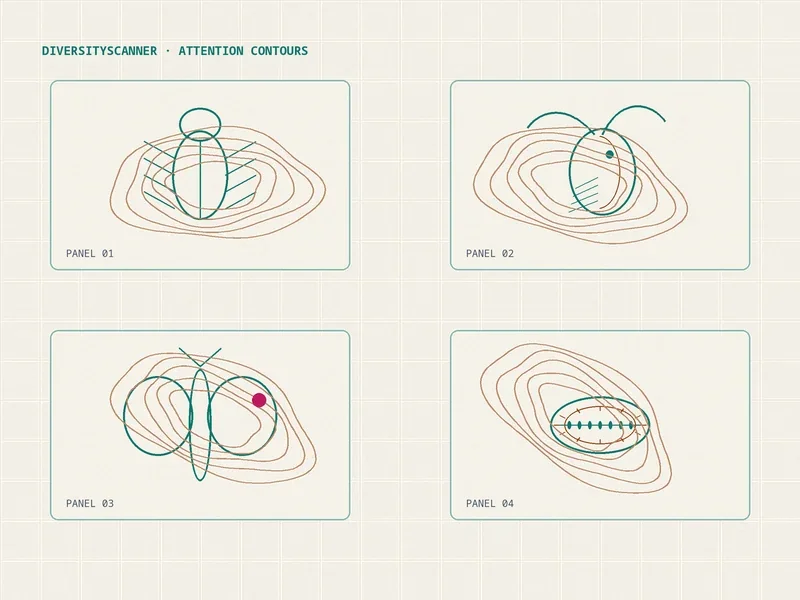
Computer-vision models generate interpretable attention heatmaps that reveal which
morphological features drive each species assignment, feeding validated specimens into the
LDC molecular pipeline.
Route samples through the LDC.
Molecular sequencing as a service for eDNA and biodiversity customers. We also take pipeline integration and capability-development conversations.